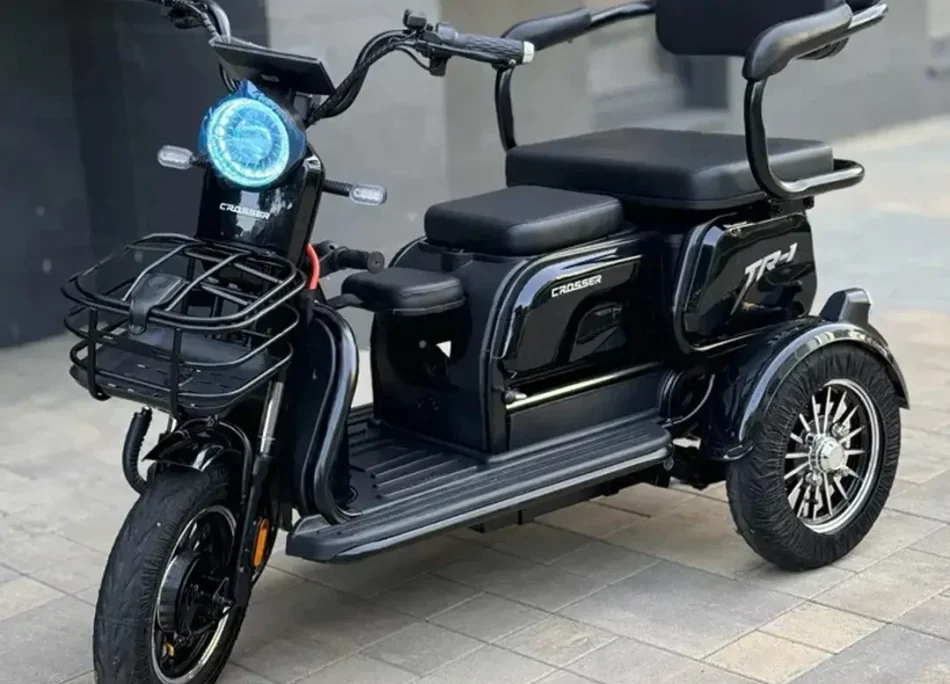
Begin With the Manual and a Quiet Practice Area
Before taking a 3 wheel mobility scooter into public space, read the current manual and practice where there is room to make mistakes safely. Learn how the scooter powers on, accelerates, stops, reverses, folds, and responds at different speed settings. The Hoverfly T3 uses a thumb throttle and lists a top speed near 3.75 mph. Practice smooth starts and stops at a low setting first. A companion can observe clearances and help identify habits that the rider may not notice from the seat.
Complete a Short Pre Ride Check
Look for visible tire damage, loose parts, debris near the wheels, and anything interfering with the controls. Confirm that the seat, tiller, basket, and folding components are secure. Check the battery indication and make sure the planned distance leaves a reserve. Test steering and braking in the first few feet. If a control feels different, the scooter makes a new sound, or a component appears damaged, pause the outing and consult the manual or qualified support instead of hoping the issue will disappear.
Slow Down Before Turns and Slopes
Three wheel scooters require deliberate steering. Enter turns slowly, keep the body centered, and avoid sudden direction changes. Do not turn across a slope or use an incline beyond the manufacturer’s instructions. Wet grass, loose gravel, broken pavement, and angled driveway entrances can change traction and stability. When a route looks uncertain, stop while still on a predictable surface and choose another path. Speed should be set for the condition ahead, not for the open space that was just crossed.
Be Predictable Around Other People
Pedestrians may not hear a quiet electric scooter approaching. Use the horn politely when needed, make eye contact at crossings, and leave extra room around children, pets, carts, and doors. Do not assume a driver has seen the scooter, even in a marked crossing. Bright clothing and available lighting can improve visibility, but they do not replace caution. Keep bags in the intended basket and avoid carrying items that block the view or extend beyond the scooter’s normal width.
For current product details, review 3 wheel mobility scooter on the official Hoverfly page.
Control the Parking and Transfer Area
Choose a level location away from traffic before stopping for a transfer. Follow the model’s instructions for switching off and securing the scooter. Keep the area around the seat clear, and do not rush because others are waiting. When loading the folded T3 into a vehicle, remember that the scooter weighs 61 pounds. Use appropriate help or equipment, secure it against movement, and protect hands around folding points. A safe trip includes what happens before and after driving.
Adapt the Plan to Conditions
Range, handling, and comfort can change with weather, cargo, rider fatigue, and surface quality. The T3 lists a maximum range of 13 miles and a 330 pound capacity, but those figures do not remove the need for judgment. Shorten the trip in extreme temperatures, heavy rain, or unfamiliar terrain. Carry a phone and share plans when appropriate. The most useful checklist is one the rider can repeat: inspect, plan, practice, proceed slowly, and stop when conditions no longer match the original plan.
Practical Takeaway
Keep the checklist short enough to use every time. A practical version might read: route suitable, charge sufficient, tires and wheels clear, seat and tiller secure, controls normal, basket load centered, phone available, and weather acceptable. The manual remains the authority for model specific steps. The list simply turns those steps into a habit. Review it after an incident or near miss and change the wording if a new risk needs to be remembered.